
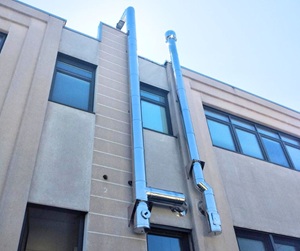
A well‑designed extraction system is one of the quiet heroes of any professional kitchen. It keeps the air clean, protects staff, preserves equipment, and ensures that guests enjoy their meal without catching a whiff of last night’s frying. But not every restaurant, café, or pastizzeria needs the same solution. In Malta especially—where you might be cooking in a Valletta townhouse, a seaside lido, or a tightly regulated heritage zone like Mdina—the right extraction setup depends heavily on your environment, your menu, and the building you operate in.
Why extraction matters in every Maltese kitchen
Good extraction is about far more than comfort. It directly affects:
- Air quality — Removing grease, smoke, steam, and odours keeps the kitchen safe and breathable, especially during peak service.
- Fire safety — Grease build-up is a major fire risk; proper extraction reduces this dramatically.
- Equipment longevity — Cleaner air means less residue settling on appliances, walls, and ceilings.
- Customer experience — No one wants their clothes smelling of grill smoke after a meal.
- Compliance — Local health and safety regulations require adequate ventilation, and certain localities have stricter rules than others.
With these fundamentals in mind, the next step is choosing the right type of system for your space.
Traditional extraction: draw out and release
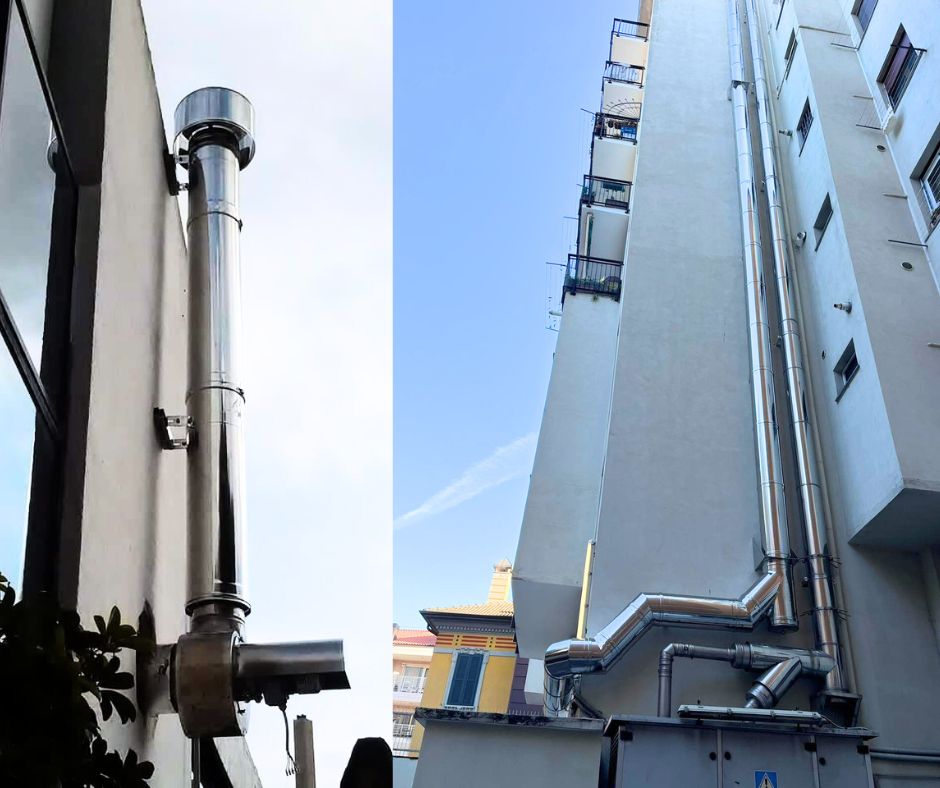
This is the most common setup in many Maltese restaurants and takeaways. The system pulls air from the kitchen, filters out grease, and expels the remaining air outside the building.
When this works best
- Standalone buildings where external ducting is easy to install.
- High‑heat, high‑smoke cooking such as grills, fryers, and charcoal ovens.
- Locations with fewer restrictions on external vents, such as industrial estates or coastal areas.
Benefits
- Highly effective at removing heat and odours.
- Lower maintenance compared to more complex recirculating systems.
- Ideal for heavy-duty cooking, where large volumes of air need to be moved quickly.
Considerations
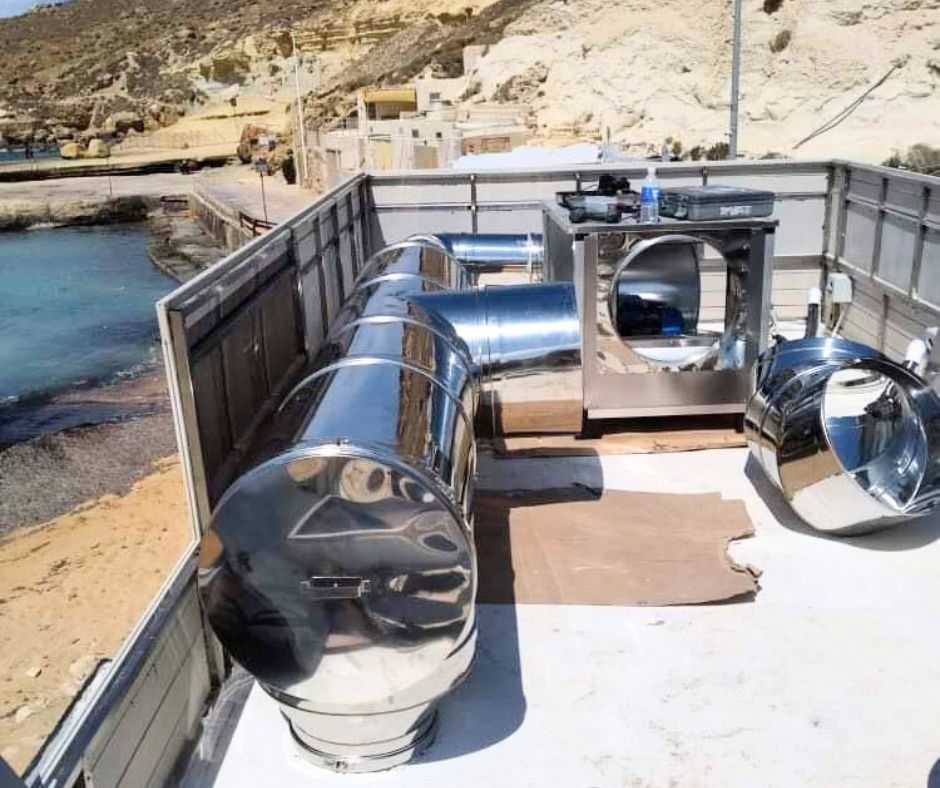
- You need a suitable external outlet, which isn’t always possible in older Maltese buildings.
- Noise and odour control must be managed carefully to avoid disturbing neighbours—especially in dense areas like Sliema or St Julian’s.
Recirculating and filtered extraction: clean the air, keep it inside
In some environments, venting air outside simply isn’t allowed. Mdina is the classic example: a historic, enclosed city where external ducting would disrupt the architectural fabric. But similar restrictions apply in certain Valletta streets, heritage buildings, and tightly packed residential blocks.
In these cases, restaurants rely on recirculating extraction systems. These units pull in air, pass it through multiple layers of filtration—grease filters, carbon filters, electrostatic precipitators, and sometimes UV filtration—and then release the cleaned air back into the space.
When this is the right choice
- Heritage zones where external vents are prohibited.
- Restaurants inside shopping centres, food courts, or enclosed complexes.
- Spaces with no feasible route for ducting, such as basements or internal rooms.
Benefits
- No external ducting required, making installation possible in challenging buildings.
- Excellent odour control when fitted with high‑quality carbon or electrostatic filters.
- Flexible placement, ideal for pop‑ups, kiosks, and compact kitchens.
Considerations
- Higher maintenance due to filter replacements and cleaning cycles.
- Not always suitable for very heavy smoke production, unless paired with advanced filtration stages.
- Upfront investment can be higher, though often the only compliant option.
Matching the system to the restaurant
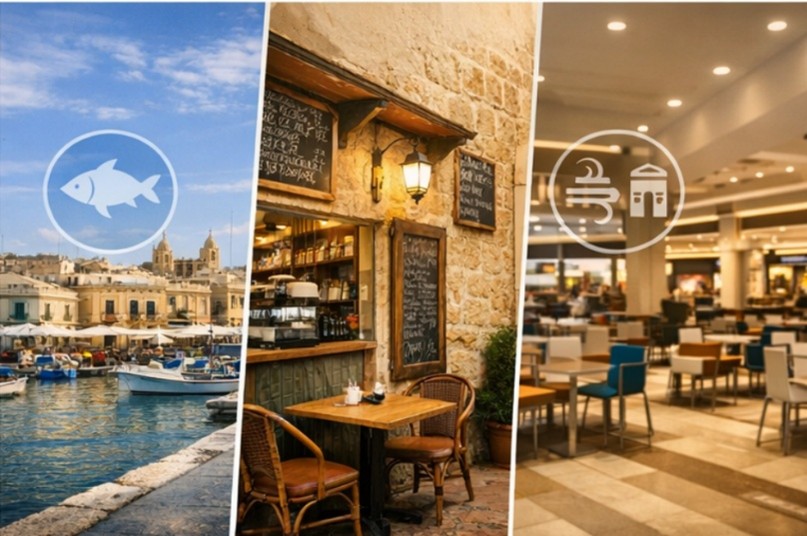
Choosing the right extraction setup is never a one‑size‑fits‑all decision. A seafood restaurant on the Marsaxlokk seafront has very different needs from a boutique café in Rabat or a fast‑casual outlet in a shopping mall. Key factors include:
- Menu style — Frying, grilling, and charcoal cooking require stronger extraction than baking or light sautéing.
- Kitchen size and layout — Small spaces may need compact or modular systems.
- Building restrictions — Heritage status, shared walls, and residential proximity all influence what’s possible.
- Energy efficiency — Modern systems can reduce running costs significantly.
- Future growth — Planning ahead avoids costly upgrades later.
A well‑designed system balances performance, compliance, comfort, and cost—while respecting the unique character of Maltese buildings and neighbourhoods.
Supporting your kitchen from concept to installation
The Catering Centre works with restaurants, cafés, hotels, and food businesses across Malta to design extraction systems that truly fit their environment and operational needs. Whether you need a traditional ducted hood, a fully filtered recirculating solution, or a hybrid setup, our team can guide you through the options and help you choose the system that keeps your kitchen safe, efficient, and compliant.
If you’re planning a new kitchen or upgrading an existing one, reach out to The Catering Centre—we’ll help you design an extraction solution tailored to your space, your menu, and your long‑term vision.
? This email address is being protected from spambots. You need JavaScript enabled to view it. | ? 2157 7305
St Paul’s Bay | Paola | Valletta


